Tickets
Working at Heights Ticket (2026): Course, Cost, Expiry
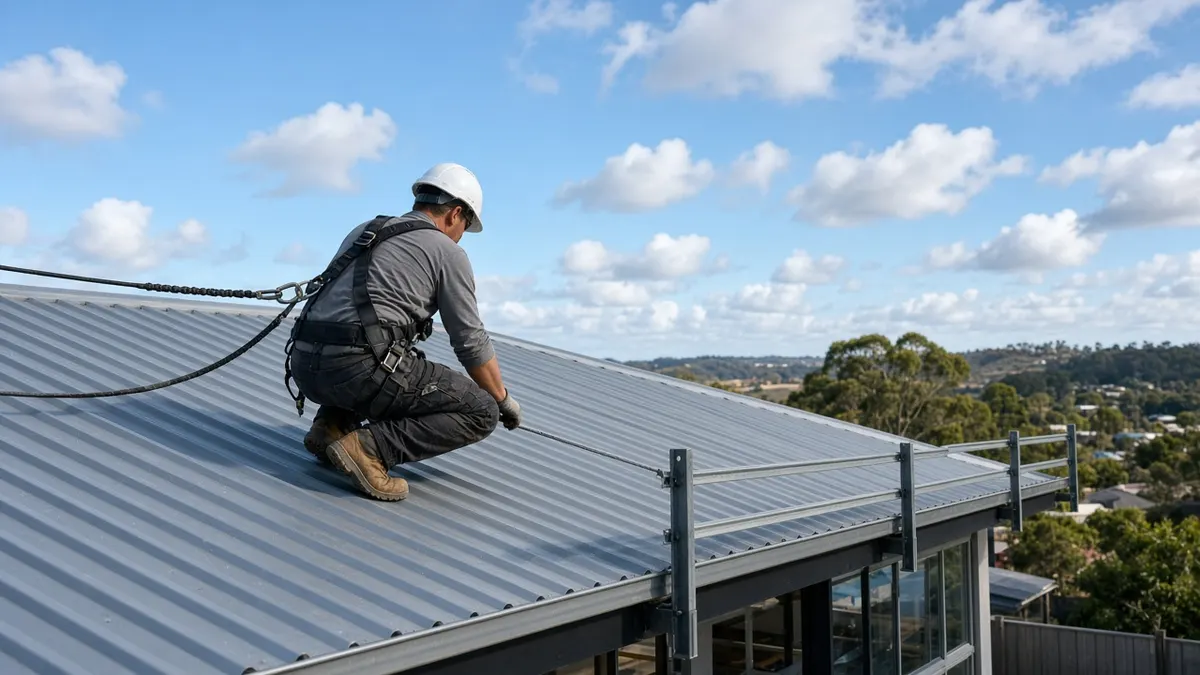
A working at heights ticket is a statement of attainment for RIIWHS204 Work safely at heights, the unit that replaced RIIWHS204E in September 2026, or CPCCCM2012 Work safely at heights in construction. It's usually a one-day course costing roughly $180–350. It has no legal expiry, though many sites expect a refresher every two years.
This guide explains when the law requires height safety training, which unit to choose, how long a certificate stays current with employers, what courses cost and what happens on the day. Yakka Labour is the hiring marketplace, not the workwear brand with a similar name. General information, not legal advice.
Is a working at heights ticket a legal requirement?
There is no government working at heights licence. The legal duty sits with the business: under the WHS laws a person conducting a business must manage the risk of falls and give workers the information, training and instruction they need to work safely. A nationally recognised ticket is the easiest way for a hirer to show that training happened, which is why most builders, roofers and facility managers ask for one.
Height also triggers paperwork. Under the model WHS Regulations, construction work involving a risk of a person falling more than 2 metres is high risk construction work, and a safe work method statement (SWMS) must be prepared before it starts. See Safe Work Australia's list of high risk construction work. States differ at the edges. South Australia lowered its threshold from three metres to two metres from 1 July 2026, and Queensland applies some fall controls from three metres in housing construction. Check your state regulator for the exact rule.
RIIWHS204, RIIWHS204E or CPCCCM2012: which unit do you need?
| Unit | Status in 2026 | Who it suits |
|---|---|---|
| RIIWHS204 Work safely at heights | Current from 2 September 2026 | Civil, construction, resources and maintenance workers doing harness-based work under supervision |
| RIIWHS204E Work safely at heights | Superseded and equivalent to RIIWHS204 | Anyone trained before September 2026. The statement still shows the same competency. |
| CPCCCM2012 Work safely at heights | Current | Construction trades and labourers, often bundled into pre-apprenticeship courses |
| CPCCCM2010 Work safely on scaffolding higher than two metres | Current | Trades who work from scaffolds but don't erect them |
Most job ads still say "RIIWHS204E" because that was the code for six years. If you hold either version, list both codes on your resume so filters pick it up. You can confirm unit status on training.gov.au.
How long does a working at heights certificate last?
The statement of attainment itself never expires. What changes is whether a hirer will accept it. Industry practice in 2026:
- Two-year refresher: the most common requirement on commercial and civil sites, and the default many RTOs advertise.
- Annual refresher: some principal contractors, telecommunications clients and mine sites ask for this.
- Verification of competency (VOC): a short practical check some clients use instead of a full course.
- Site-specific training: on top of the ticket, for particular anchor systems, roof access or rescue equipment.
What happens in a working at heights refresher?
A refresher is usually a half day to a full day. Expect a short theory recap on the hierarchy of control, the SWMS for your type of work and any changes in your state's rules, followed by a practical session: inspecting and fitting a harness, choosing and checking anchors, setting up a static line or restraint system and talking through the rescue plan. The assessor is looking for the same competency as the original course, so arrive knowing how to calculate fall clearance and how to spot a damaged lanyard. Bring your previous statement of attainment, photo ID and your USI so the RTO can issue the new statement quickly. If you work for several hirers, ask which unit code they want on the new statement before you book, because some insist on the construction unit and others on the RII unit.
Harness inspection is a separate issue. Height safety equipment needs regular inspection by a competent person, and an out-of-date inspection tag can stop you working even if your ticket is current.
How much does a working at heights course cost?
Prices are set by each training provider. As indicative 2026 market observations from published RTO prices:
- Full one-day course: roughly $180–350. One provider advertises from $225.
- Refresher or VOC: roughly $120–250.
- Bundles with confined space, white card or EWP training: often discounted per unit.
- On-site group training: quoted per group, and usually cheaper per head for crews of six or more.
Some states fund height safety units for eligible learners, so ask before paying full fee. Online theory can shorten the day, but the unit requires practical evidence of working at height on at least two occasions, so expect a face-to-face component.
What do you learn on a working at heights course?
The practical side matters most. A typical course covers:
- The hierarchy of control for falls: eliminate, then use passive systems such as guardrails and scaffolds, then work positioning, then fall arrest.
- Reading a SWMS and site procedures, and checking the work area and weather.
- Inspecting, fitting and adjusting a full body harness, lanyards and connectors.
- Choosing anchor points, using static lines and calculating fall clearance.
- Recognising suspension trauma and knowing the rescue plan before anyone clips on.
- Working on roofs, ladders, mezzanines and around penetrations and brittle surfaces.
Working at heights ticket in NSW
NSW uses the same national units. SafeWork NSW doesn't issue a separate heights card. The legal framework is the NSW Work Health and Safety Regulation 2025, and SafeWork NSW's construction page confirms that work involving a risk of a fall of more than two metres is high risk construction work needing a SWMS. A Blacktown roofing contractor hiring a labourer to pass sheets up and clean gutters, for example, should ask for RIIWHS204 or RIIWHS204E, check the harness tag, and walk the worker through the SWMS and rescue plan before the first lift.
Who needs a working at heights ticket?
Roof plumbers and their labourers, solar installers, scaffold and formwork crews, glaziers, signage installers, warehouse workers on mezzanines, telecommunications riggers and anyone doing maintenance from an elevating work platform. If you operate a scissor lift or boom, add EWP training. Our EWP licence guide explains when a yellow card is enough and when you need a high risk licence. Scaffolders need a licence for anything over four metres. See how to become a scaffolder.
How to find or hire height-trained workers on Yakka
Workers add their working at heights, white card, EWP and other tickets to a free profile in the Yakka app, with the unit codes and dates. Hirers post jobs with the suburb, start time, required tickets and an AUD rate, then message and agree terms directly. Yakka is a marketplace, not an employer, so the hirer still owns the SWMS, equipment and supervision. Browse general labourers or EWP operators.
Frequently asked questions
Do I need a working at heights ticket to use a ladder?
Not as a licence. The hirer must still manage the fall risk and train you for the task, and for construction work with a fall risk over two metres a SWMS is required. Many sites restrict ladders to short-duration, light work and ask for height training before you do anything near an edge, so check the site rules before you start.
Is a working at heights ticket the same as a scaffolding licence?
No. A working at heights ticket covers working safely where you could fall, including using harnesses and anchors. Erecting, altering or dismantling scaffolding where a person or object could fall more than four metres needs a high risk work licence in basic, intermediate or advanced scaffolding. A heights ticket does not let you build scaffolds above that height.
Does EWP training cover working at heights?
Partly. EWP training such as the EWPA Yellow Card or a WP high risk work licence covers operating the platform, including harness use inside a boom basket. It does not replace general height safety training for roofs, edges and static lines. Many hirers ask for both, especially for maintenance and construction work outside the basket.
Can I do a working at heights course online?
You can complete theory online with some providers, but RIIWHS204 requires practical evidence of working safely at heights on at least two occasions, including fitting and checking fall protection equipment. Expect a face-to-face practical session. A fully online certificate is unlikely to satisfy builders or principal contractors who check unit codes.
Does a white card cover working at heights?
No. The white card course, CPCWHS1001 Prepare to work safely in the construction industry, introduces common site hazards, including falls, but it is not height safety training. If your job involves harnesses, roofs, edges or mezzanines, the hirer will usually ask for a separate working at heights unit as well as your white card.
Official sources
Award rates, licences and safety rules change. Check the official source before you hire or take on a shift.
- Safe Work AustraliaNational work health and safety framework, including high-risk work licences
- SafeWork NSWWhite cards, high-risk work licences and WHS rules in New South Wales