Build & Renovate cost guide
Building Inspection Cost Australia: 2026 Price Guide
Typical cost in Australia (2026, inc. GST)
$400 to $1,000 per inspection
pre-purchase building or combined building and pest inspection, typical house
A pre-purchase building inspection in Australia usually costs $400 to $800 in 2026, or $500 to $1,000 combined with a timber pest inspection. Large, old or acreage homes cost more. New home stage inspections run about $350 to $700 each, and a handover inspection $450 to $900. Home size, age, access, location and add-ons such as thermal imaging drive the price.
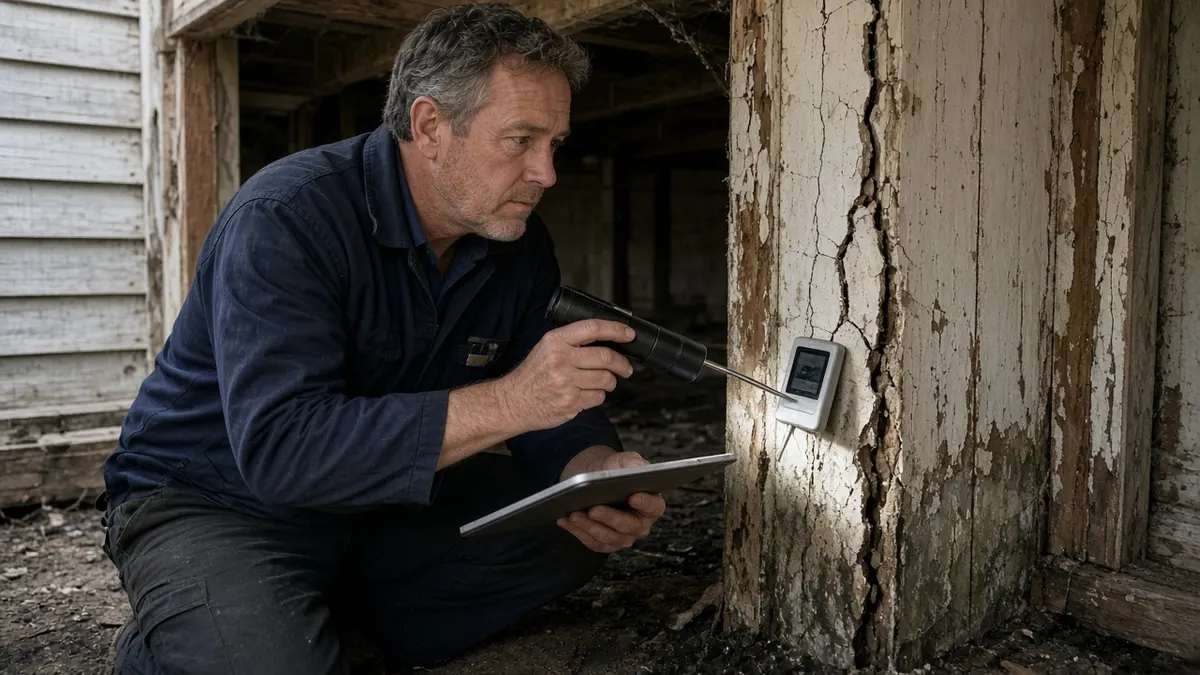
A pre-purchase building inspection in Australia costs about $400 to $800 in 2026 for a typical house, and $500 to $1,000 when it is combined with a timber pest inspection. Apartments can be cheaper, from around $350. Large two-storey homes, older homes with subfloors and acreage properties often cost $800 to $1,500. If you are building, independent stage inspections usually cost $350 to $700 each, and a practical completion or handover inspection $450 to $900.
Against the price of a house, an inspection is one of the cheapest pieces of protection you can buy. A single finding, such as active termites, a failing roof or significant structural movement, can be worth tens of thousands of dollars in negotiation or a reason to walk away. The figures below are indicative and include GST. Ask two or three inspectors for a price on the same property, but choose on the quality of their reports, not price alone.
Building inspection prices by type
| Inspection | Typical cost (incl. GST) |
|---|---|
| Pre-purchase building inspection, house | $400 to $800 |
| Combined building and timber pest inspection | $500 to $1,000 |
| Timber pest inspection only | $250 to $450 |
| Apartment or unit building inspection | $350 to $600 |
| Strata report (records search) | $300 to $600 |
| New home stage inspection, per stage | $350 to $700 |
| Practical completion or handover inspection | $450 to $900 |
| Full new home inspection package (5 to 7 stages) | $2,000 to $4,500 |
| Dilapidation report | $500 to $1,500 |
| Asbestos inspection (plus lab fees per sample) | $400 to $900 |
| Thermal imaging or moisture testing add-on | $100 to $300 |
| Pool safety inspection | $150 to $350 |
What changes the price
| Property | Building only | Building and pest |
|---|---|---|
| Apartment or unit | $350 to $550 | $450 to $700 |
| Three-bedroom single-storey house | $400 to $650 | $500 to $850 |
| Four or five-bedroom two-storey house | $550 to $850 | $700 to $1,100 |
| Large home over 350 m² or with granny flat | $700 to $1,200 | $900 to $1,500 |
| Acreage with sheds and outbuildings | $800 to $1,500+ | $1,000 to $1,800+ |
Beyond size, the main price drivers are:
- Age and construction: a 1920s weatherboard on stumps with a full subfloor takes longer than a 2015 brick veneer on a slab.
- Access: steep roofs, high ceilings and tight subfloors slow the inspector down and may need extra equipment.
- Distance: travel outside the inspector's usual area often carries a fee of $50 to $200.
- Urgency: same-day or next-morning reports before an auction can attract a surcharge.
- Outbuildings: granny flats, garages, sheds, retaining walls and pools add time.
- Add-ons: thermal imaging, moisture mapping, drone roof photography and pool safety checks are usually extra.
What a pre-purchase inspection covers
Most pre-purchase building inspections in Australia are carried out to AS 4349.1, the standard for pre-purchase inspections of residential buildings, published by Standards Australia. It is a visual, non-invasive inspection. The inspector reports on the condition of the building compared with similar buildings of the same age that have been reasonably maintained, and records major defects, minor defects and safety hazards.
A good inspector typically looks at:
- The interior: walls, ceilings, floors, doors, windows, wet areas and signs of leaks or movement.
- The exterior: walls, cladding, brickwork, windows, eaves, stairs, balconies and decks.
- The roof space, where safely accessible: framing, sarking, insulation and signs of leaks or pests.
- The roof exterior: tiles or sheets, flashings, gutters and downpipes, by ladder, from the ground or by drone.
- The subfloor, where accessible: stumps, bearers, joists, ventilation and dampness.
- The site immediately around the house: drainage, paths, retaining walls, fences and outbuildings within the agreed scope.
It does not normally cover the compliance of electrical, plumbing or gas installations, which need the relevant licensed trade. It will not see inside wall cavities or under fixed floor coverings, and it does not formally identify asbestos, although a good inspector will flag materials that may contain it. Strata common property is outside a standard unit inspection unless you ask for it.
Common defects and what they cost to fix
The value of an inspection shows up in what it finds. These are some of the most common findings on Australian homes, with rough repair ranges so you can judge how much they matter.
| Finding | What the inspector sees | Indicative repair cost |
|---|---|---|
| Leaking shower or failed waterproofing | Loose or drummy tiles, damp skirting, high moisture readings next to the shower | $1,500 to $8,000 to reseal or rebuild; more for a full bathroom |
| Roof flashing or ridge capping faults | Cracked mortar, lifted flashings, water stains in the roof space | $500 to $3,000 |
| Rusted gutters and downpipes | Holes, overflow stains on fascias | $2,000 to $6,000 to replace on a typical house |
| Subfloor stumps out of level or decayed | Sloping floors, packing under bearers, rot at ground level | $300 to $800 per stump replaced |
| Cracking in brickwork | Stepped or diagonal cracks, often near windows and corners | $500 for minor repointing to $20,000+ if underpinning is needed |
| Poor site drainage | Soil above weep holes, ponding against walls, missing stormwater connections | $1,000 to $6,000 |
| Timber decay in decks and stairs | Soft boards, rotten posts, loose balustrades | $1,000 to $10,000+ |
| Old switchboard or unsafe wiring signs | Ceramic fuses, no safety switch, scorched fittings | $1,500 to $3,000 for a switchboard upgrade |
A building inspector will not price repairs in most reports. If a finding looks expensive, get a builder or the relevant licensed trade to quote it before you go back to the agent.
Why combine it with a pest inspection
Termites cause enormous damage to Australian homes, and building insurance usually does not cover it. A timber pest inspection, usually done to AS 4349.3, checks for termites, borers and wood decay, and for conditions that invite them: timber touching soil, leaking taps, poor subfloor ventilation, garden beds piled against walls. Most inspectors use a moisture meter, and many use thermal imaging or a sounding tool to find hidden activity.
Booking both inspections with one company usually saves $100 to $250 compared with two separate visits, and one inspector can connect the dots between, say, a leaking shower and termite activity in the wall next to it. If termites are found, the pest control cost guide covers treatment and barrier costs, and you can find pest inspectors if you want a separate specialist opinion.
How the type of home changes the inspection
Different construction types fail in different ways, and a good inspector adjusts their focus.
- Brick veneer on a slab: the most common modern house. Inspectors look for slab edge dampness, cracking in the brick skin, blocked weep holes, garden beds bridging the damp course, and termite entry points around the slab edge.
- Weatherboard on stumps: the subfloor gets the most attention: stump condition, bearer and joist decay, ventilation, and signs of termites. Paint condition on the boards and around windows matters because it shows how long water has been getting in.
- Double brick: generally solid, but cracking from footing movement, rising damp in older homes and rusted wall ties in coastal areas are common findings.
- Queenslanders and raised homes: stumps, tie-downs, stairs, verandah framing and any rooms built in underneath, which may not have been approved.
- Apartments: balconies, waterproofing, windows and signs of building-wide defects such as cracking, leaking or cladding concerns. The strata records fill in what the inspector cannot see.
- Homes under ten years old: people often skip the inspection on a near-new home, but defects from rushed builds show up in the first few years. A statutory warranty period may still apply, which makes finding them now more valuable.
Inspection costs by city
| City | Building only (typical house) | Building and pest | Notes |
|---|---|---|---|
| Sydney | $450 to $850 | $550 to $1,050 | High demand around auctions; older terraces take longer |
| Melbourne | $400 to $800 | $500 to $1,000 | Many Victorian and Edwardian homes with subfloors |
| Brisbane | $400 to $750 | $500 to $950 | Queenslanders on stumps; high termite pressure |
| Perth | $380 to $700 | $480 to $900 | Many double brick homes on slabs, quicker to inspect |
| Adelaide | $380 to $700 | $480 to $900 | Reactive soils mean cracking is a common finding |
| Hobart | $400 to $750 | $500 to $950 | Older timber homes, hilly sites |
| Canberra | $450 to $850 | $550 to $1,050 | Loose-fill asbestos history makes records checks important |
| Darwin | $450 to $850 | $550 to $1,050 | Termites, cyclone tie-downs, homes raised on posts |
Regional and rural properties usually cost more because of travel and the size of the property, even if the inspector's base rate is lower.
Inspections when you are building a new home
Your builder and certifier carry out mandatory inspections, but the certifier's job is to check code compliance at set points, not quality on your behalf. An independent inspector works for you and checks workmanship against the contract and plans as well as the standards.
| Stage | What is checked | Typical cost |
|---|---|---|
| Pre-slab or pre-pour | Set-out, reinforcement, vapour barrier, plumbing penetrations | $350 to $600 |
| Frame | Wall and roof framing, bracing, tie-downs, straightness | $400 to $700 |
| Lock-up or pre-plaster | Windows, wrap, flashings, insulation, roof | $400 to $700 |
| Fixing | Plaster, joinery, waterproofing before tiling where possible | $350 to $650 |
| Practical completion (handover) | Defects list across the whole house before final payment | $450 to $900 |
| End of maintenance period | Defects that appeared after handover | $350 to $650 |
Check your contract before booking. Some builders limit when and how often independent inspectors can come on site, and you may need to give notice. Our cost to build a house guide covers progress payments, which is when stage inspections matter most: book the inspection before each payment falls due.
Worked examples
Building and pest inspection on a 1960s weatherboard in Brisbane
A three-bedroom lowset house on stumps, with a full subfloor, a timber deck and a detached shed.
| Item | Cost (incl. GST) |
|---|---|
| Combined building and timber pest inspection | $680 |
| Thermal imaging add-on | $150 |
| Shed and deck included in scope | included |
| Total | $830 |
The report found old termite damage in the deck bearers, no current activity, two stumps out of level and a roof flashing that needed resealing. The buyers used it to negotiate a price reduction that covered the repairs several times over.
Independent stage inspections on a new home in Melbourne's north
A 250 m² single-storey project home with the owners booking five stages.
| Item | Cost (incl. GST) |
|---|---|
| Pre-pour slab inspection | $450 |
| Frame inspection | $500 |
| Lock-up inspection | $500 |
| Fixing inspection | $450 |
| Practical completion inspection | $700 |
| Package discount | -$300 |
| Total | $2,300 |
Apartment purchase in Sydney's lower north shore
A two-bedroom unit in a 1990s building, with a building inspection of the unit and a strata records report.
| Item | Cost (incl. GST) |
|---|---|
| Unit building inspection | $450 |
| Strata report (minutes, levies, sinking fund, defects, by-laws) | $400 |
| Total | $850 |
For apartments, the strata report often matters more than the unit inspection. It shows whether there are major works coming, special levies, building defect claims or waterproofing problems across the building.
Other inspections worth knowing about
- Dilapidation reports: a photographic record of your property's condition before a neighbour builds or before major nearby works start. They protect you if cracks appear later. $500 to $1,500 depending on size.
- Asbestos inspections: an inspector identifies suspect materials and sends samples to a lab, usually $50 to $100 per sample. Worth doing before renovating a pre-1990 home. The asbestos removal cost guide covers what comes next.
- Structural engineer's inspection: if a building inspection flags significant cracks or movement, an engineer can assess the cause and repair. See the structural engineer cost guide.
- Pool safety inspections: some states require a pool safety or compliance certificate when selling or leasing a property with a pool. Check the rules in your state.
- Pre-sale vendor inspections: some sellers commission a report to give buyers, which can speed up a sale. Buyers should still check who the report was written for and whether they can rely on it.
Who can do a building inspection
Licensing rules for inspectors vary by state. In Queensland, people carrying out completed residential building inspections must hold the appropriate QBCC licence, and you can check it on the QBCC website. In most other states there is no dedicated licence for pre-purchase inspections, so many inspectors are licensed builders, building surveyors or experienced carpenters. Check with your state regulator for current requirements: NSW Fair Trading, the Building and Plumbing Commission (BPC), Building and Energy (WA), Consumer and Business Services (SA), CBOS (Tasmania), Access Canberra or the NT Building Practitioners Board.
Timber pest inspectors and pest controllers need licences from the relevant state authority in most states. Whatever the state, ask for proof of professional indemnity insurance and public liability insurance, and look for inspectors with a background in building rather than only a short course.
What happens on inspection day
A typical house inspection takes one and a half to three hours. Apartments are quicker. The inspector starts outside, works through the house room by room, then goes into the roof space and subfloor. Attending is worth it if the agent allows you. You get to ask questions, see the issues in person and hear the inspector's view on how serious each one is, which never comes across fully in a written report.
Most inspectors deliver a report within 24 to 48 hours, often the same day, with photos and a summary of major defects. Read the summary first, then the detail. Call the inspector with questions. Good inspectors expect it.
Reading the report: major, minor and safety items
Reports written to AS 4349.1 sort findings into categories, and knowing the difference stops you panicking over the wrong things.
- Major defects are serious enough to need repair soon to avoid further damage or loss of function: a roof leak causing ceiling damage, a failed shower, structural cracking, active termites. These are what you negotiate on.
- Minor defects are the normal wear of an older house: cracked tiles, sticking doors, flaking paint, small plaster cracks. Every report on an established home lists plenty of them. Treat them as a maintenance list.
- Safety hazards need attention regardless of cost: missing balustrades, unsafe stairs, signs of electrical faults, suspected asbestos in poor condition.
Many reports also give an overall rating of the property compared with similar homes of the same age, from below average to above average. That rating tells you more than the number of items on the list. A 1950s house with 40 minor items and no major defects can be in better shape than a 2010 house with three major ones.
Pay attention to the limitations section too. If the inspector could not get into the roof space, could not access part of the subfloor, or the house was full of furniture covering floors and walls, the report will say so. Ask whether a return visit is possible once access improves, especially before an auction where you will not get another chance.
Inspections before you renovate or sell
Building inspections are not only for buyers. Before a big renovation, an inspection of the existing house can flag termite damage, failing stumps, roof problems or asbestos that should be dealt with as part of the job, before new finishes go on top. It costs about the same as a pre-purchase inspection and often changes the renovation scope.
Sellers can use a pre-sale inspection to find and fix problems before buyers do. Repairing a leaking shower or replacing rotten deck boards before listing removes easy negotiating points, and some agents find that a recent report reassures buyers at open homes.
Using the report to negotiate
An inspection report is a negotiating tool as well as a safety check. If it shows significant defects, get a quick repair estimate from a builder or trade and use it to ask for a price reduction, repairs before settlement, or both. Small items that are normal for the age of the house carry less weight; every 40-year-old house has some cracked tiles and sticking doors.
Timing matters. At auction you usually have no cooling-off period, so inspections have to happen before auction day. For private sales, cooling-off periods and subject-to-inspection clauses differ by state. Check the rules with your state's consumer protection agency or your conveyancer before you sign.
Saving money without losing quality
- Book building and pest together with one company.
- Ask whether the inspector offers a discount if you are inspecting several properties before an auction.
- For new homes, buy a stage package instead of individual inspections.
- Skip add-ons you do not need, but keep thermal imaging for older homes and anywhere with signs of leaks.
- Be wary of reports offered free by the selling agent. Choose your own inspector, who owes their duty to you.
Where Yakka can help
Yakka Labour does not carry out building or pest inspections. Where it can help is preparation and follow-up. Sellers getting a property ready for buyers' inspections often hire help to clear out the garage and roof space, tidy overgrown gardens that hide drainage problems or termite conditions, and move garden beds back from walls. After settlement, buyers often need hands for the jobs the report flagged that do not need a licence, such as clearing debris from under the house or moving soil away from weep holes. You can find building inspectors in the directory and compare them with the checklist below.
Yakka is not a replacement for a licensed builder, plumber or electrician when the report flags work that needs one. Our guide on how to find trusted tradies covers how to check licences and insurance before booking repairs.
How to choose a building inspector
- Ask to see a sample report. Look for clear photos, plain-English descriptions and specific recommendations, not a ticked checklist.
- Confirm the standard they inspect to and what is excluded.
- Check licence details where your state requires them, and professional indemnity insurance in every state.
- Ask about their building background and how many inspections they do each week. Twelve a day is a warning sign.
- Confirm when you will get the report and whether they will talk you through it by phone.
- Ask whether they use thermal imaging, moisture meters and a roof drone or ladder, and what costs extra.
Red flags include inspections offered at a price far below others in the area, reports that list no defects at all on an older house, and inspectors who are vague about insurance or reluctant to go into the roof space or subfloor.
Frequently asked questions
How much does a building and pest inspection cost?
A combined building and timber pest inspection usually costs $500 to $1,000 for a typical house in Australia in 2026. Apartments start around $450, while large homes, older homes with subfloors and acreage properties can cost $1,000 to $1,800. Booking both inspections with one company is usually cheaper than two separate visits.
Is a building inspection worth it?
Almost always. For a few hundred dollars, a pre-purchase inspection can uncover termite damage, roof problems, structural movement, drainage issues or illegal building work that could cost tens of thousands to fix. Even when the report finds nothing major, it gives you a maintenance list and peace of mind. It can also give you solid grounds to negotiate the price.
How long does a building inspection take?
A typical house takes one and a half to three hours to inspect, and an apartment about an hour. Larger, older or acreage properties take longer. Most inspectors deliver the written report within 24 to 48 hours, and many send it the same day, which matters when you are inspecting before an auction.
Who pays for a building inspection, the buyer or seller?
Usually the buyer, because the inspector owes their duty to whoever commissions the report. Some sellers pay for a pre-sale report to share with buyers, which can be helpful, but buyers should check whether they can legally rely on it. If in doubt, get your own inspection.
Do building inspectors need a licence in Queensland?
Yes. In Queensland, completed residential building inspections must be carried out by someone holding the appropriate QBCC licence, and timber pest inspections need the relevant licences as well. You can check an inspector's licence on the QBCC website. Most other states do not have a dedicated pre-purchase inspection licence, so check builder or surveyor qualifications and insurance instead.
Should I get independent inspections when building a new home?
It is a good idea. The certifier checks code compliance at set points but does not act for you on quality. An independent inspector checks workmanship against your contract and plans at stages such as slab, frame, lock-up, fixing and handover. A full package typically costs $2,000 to $4,500, small compared with the cost of fixing defects later.
Does a building inspection check for asbestos?
A standard pre-purchase building inspection does not formally identify asbestos, although a good inspector will note materials that may contain it, especially in homes built before 1990. To confirm asbestos, you need a specialist asbestos inspection with samples sent to a lab. That usually costs $400 to $900 plus $50 to $100 per sample.
Official sources
Award rates, licences and safety rules change. Check the official source before you hire or take on a shift.
- Queensland Building and Construction Commission (QBCC)Contractor, plumbing and drainage licence search in Queensland
- Consumer and Business Services SALabour hire licensing in South Australia
- NSW Fair TradingTrade licence checks for electricians, plumbers and builders in New South Wales
- Building and Plumbing Commission (Victoria)Builder and plumber registration, domestic building insurance and licence checks in Victoria
- Asbestos Safety and Eradication AgencyWhere asbestos is found in homes and how to deal with it safely
- Consumer, Building and Occupational Services (Tasmania)Building, plumbing and electrical licensing in Tasmania