Rates
Gardener Hourly Rate Australia (2026): What to Pay
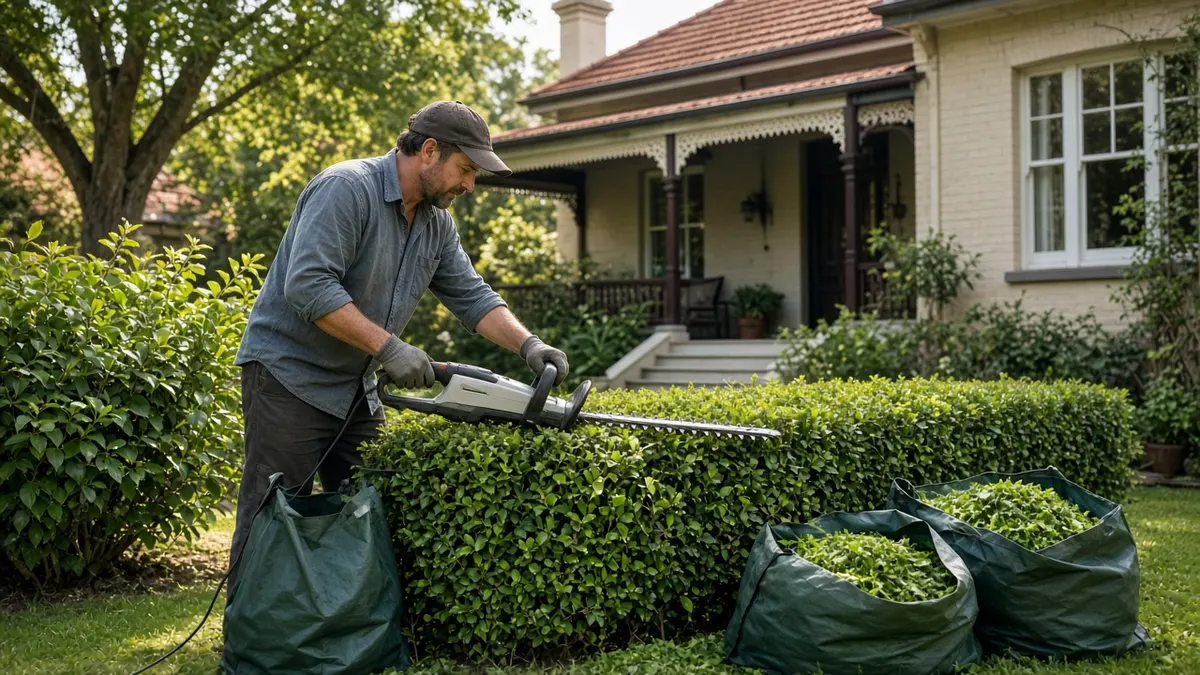
The gardener hourly rate in Australia in 2026 is typically $50–85/hr when you book a small gardening business, often with a one- or two-hour minimum, while a casual gardener hired directly usually earns $35–48/hr. Green-waste removal is normally charged on top. These are indicative market observations; check award minimums on Fair Work.
This guide is written for households: what a fair hourly rate looks like in your city, what a gardener's visit should include, why minimum call-outs exist, and how regular visits compare with a one-off clean-up. Yakka Labour is the hiring marketplace, not the workwear brand with a similar name.
How much do I pay a gardener per hour?
| City | Gardening business (AUD/hr) | Casual gardener hired directly (AUD/hr) | Typical minimum visit |
|---|---|---|---|
| Sydney | $55–90 | $38–50 | 1–2 hours |
| Melbourne | $50–85 | $36–48 | 1–2 hours |
| Brisbane | $50–80 | $35–47 | 1–2 hours |
| Perth | $50–85 | $36–48 | 1–2 hours |
| Adelaide | $45–75 | $34–45 | 1–2 hours |
| Hobart and regional areas | $45–70 | $34–44 | 1–3 hours |
All figures are indicative 2026 market observations. A business rate includes the gardener's wage, super, insurance, vehicle, fuel and equipment. A direct casual rate is the worker's pay only; you may also have obligations as their employer.
What is the average gardener day rate?
For a full day, gardening businesses commonly charge $380–600 per gardener in 2026, and a two-person team $700–1,100. Day bookings suit big overgrown blocks, pre-sale tidy-ups and seasonal pruning. A casual gardener engaged directly for eight hours at $35–48 an hour costs $280–384 before any super or insurance you are responsible for.
What does a gardener's visit include?
A standard maintenance visit usually covers some mix of the following. Agree the list up front so there are no surprises on the invoice.
- Mowing, edging and blowing paths and driveways
- Weeding garden beds and paths
- Hedge trimming and light pruning of shrubs
- Spreading mulch you have bought, or mulch they supply at cost plus a margin
- Fertilising, deadheading and seasonal planting
- Bagging green waste for your green bin, or removing it for a fee
| Task | Indicative 2026 price (AUD) | Notes |
|---|---|---|
| Mow and edge, small suburban block | $50–90 per visit | Front and back, clippings in your green bin |
| Mow and edge, large block | $90–160 per visit | Ride-on or two mowers for big lawns |
| Hedge trimming | $60–90 per hour | Tall hedges need ladders or platforms |
| Weeding and bed tidy | $50–85 per hour | Faster on a regular schedule |
| Spreading mulch | $50–85 per hour plus mulch | Bulk mulch delivered is cheaper than bags |
Tree felling and large tree work is a separate trade with its own risks and insurance. Structural work such as walls and paving belongs with a landscaper; see the landscaper hourly rate guide for those prices.
Why do gardeners charge a minimum call-out?
Travel, loading the trailer and setting up take the same time whether the job is 30 minutes or three hours. A one- or two-hour minimum is how small gardening businesses stay viable. Employment rules point the same way: casual employees under the Gardening and Landscaping Services Award must be engaged for at least 3 hours. If your garden only needs 45 minutes, book a fortnightly or monthly slot and add jobs like hedge trimming to use the full minimum.
Is a regular gardener cheaper than a one-off visit?
Usually, yes, per hour of work. A garden on a fortnightly or monthly schedule never gets badly overgrown, so each visit is shorter and the gardener can plan a route of nearby clients. One-off visits to an overgrown block take longer, generate more green waste and are often quoted at a higher rate or as a fixed job.
Worked example: a three-bedroom house in Carindale, Brisbane, with a front lawn, back lawn and hedges. A fortnightly two-hour visit at $65 an hour costs $130 a visit, or about $3,380 a year across 26 visits. A one-off clean-up of the same garden after six months of neglect might take a two-person team a full day: around $800 plus $100–200 in green-waste disposal. Keeping it regular is cheaper and the garden looks better all year.
Seasons matter too. In Sydney, Melbourne and Adelaide, spring is the busiest time: lawns grow fast, hedges need shaping and many gardeners are booked out weeks ahead. Locking in a regular slot before September gets you priority. In Brisbane and further north, the wet season brings the fastest growth, so fortnightly visits may need to become weekly for a few months.
How much does green-waste removal cost?
If the clippings fit in your council green bin, there is no extra cost. When they do not, gardeners either take the waste away or leave it bagged for you. Removal is commonly charged at $60–180 per trailer load in 2026, depending on the council's tip fees and the travel involved, as an indicative observation. For big clean-ups, a skip bin or a separate rubbish removal service can be cheaper; see rubbish removers near you.
Some councils also run green-waste drop-off days or offer extra green bins for an annual fee, which can be cheaper than paying for removal after every visit. If your garden produces a lot of clippings, ask your gardener to leave them composting in a corner, or mulch prunings on site where it suits the garden. Every trailer load you avoid saves both the tip fee and the gardener's time driving to the transfer station.
What are my obligations if I pay a gardener directly?
If a gardening business sends the gardener, the business handles wages, super and insurance. If you engage someone directly, the rules depend on whether they are a genuine contractor with their own business or your employee. Two points to know:
- Super: the ATO says domestic or private workers, such as someone doing work for your home rather than a business, are eligible for super guarantee if they work for you for more than 30 hours in a week (see the ATO guidance). Most households booking a few hours a fortnight are well under that.
- Award minimums: when a gardening business employs the gardener, the Gardening and Landscaping Services Award usually applies. From 1 July 2026 its Level 1 minimum hourly rate is $26.44, plus 25% casual loading (clause 15.1 of the award text). Use Fair Work's pay guides to check what applies to your arrangement.
How do you book a gardener on Yakka?
Before the first visit, ask a few questions: do they bring their own mower and tools, how do they handle green waste, do they hold public liability insurance, what is their cancellation policy for rain, and can they show photos of gardens they maintain. Clear answers up front avoid most disputes later.
- Post the job with your suburb, garden size, the tasks you want done and how often (one-off, fortnightly or monthly).
- Set an hourly rate or a budget per visit, and say who handles green waste.
- Browse gardener profiles near you, message a few and agree the rate and visit length in writing.
- Pay through the platform after each visit.
For lawns only, browse lawn mowing help near you, or see garden maintenance by area.
Frequently asked questions
Should I tip my gardener?
Tipping is not expected in Australia, and gardeners price their hourly rate to cover their costs. Many households show appreciation with a small gift at Christmas or by referring friends and neighbours instead. The most useful thing you can do for a regular gardener is book consistent visits and pay promptly.
Do gardeners bring their own equipment?
Gardening businesses and most experienced self-employed gardeners bring mowers, trimmers, blowers and hand tools. A casual gardener you hire directly may expect you to supply some equipment. Confirm before the first visit who supplies tools, fuel and consumables such as mulch, fertiliser and green-waste bags, and whether any of that is charged separately.
How often should a gardener come?
Fortnightly suits most suburban gardens during the growing season in spring and summer, easing to monthly in winter in southern states. Lawns in Brisbane and northern areas may need more frequent mowing in the wet season. Low-maintenance gardens with few lawns can often go monthly year-round with an extra visit before summer.
Is a gardener cheaper than a landscaper?
Per hour, yes. Gardeners typically charge less than landscapers because maintenance needs less machinery, fewer materials and no structural skills. If your job involves walls, paving, drainage or turf installation, a landscaper is the right hire even at a higher rate, because the work needs levels, compaction and sometimes a licence or council approval.
Do gardeners work in the rain?
Light rain rarely stops weeding or pruning, but mowing wet lawns damages turf and leaves a poor finish, so most gardeners reschedule mowing in heavy rain. Ask how they handle wet-weather cancellations and whether you are charged. Regular clients usually get rebooked first, which is another advantage of a fixed schedule.
Official sources
Award rates, licences and safety rules change. Check the official source before you hire or take on a shift.
- Fair Work Ombudsman — pay guidesMinimum award rates, casual loading and penalty rates
- Fair Work Pay CalculatorWork out the minimum pay for a specific award and shift
- Australian Taxation Office — super for employersSuperannuation guarantee obligations when you pay workers